
Social Media Addiction Lawsuit
If your child — or you, as a minor — developed depression, anxiety, an eating disorder, or self-harm after heavy use of Instagram, TikTok, Snapchat, Facebook or YouTube, you may be able to hold the platforms accountable.
Free case review · No fee unless we win · Confidential
Over $50 Million Recovered for Our Clients
Georgia attorney John B. Jackson · National Trial Lawyers Top 100
Results vary. Past results do not guarantee a similar outcome.



Do You Qualify?
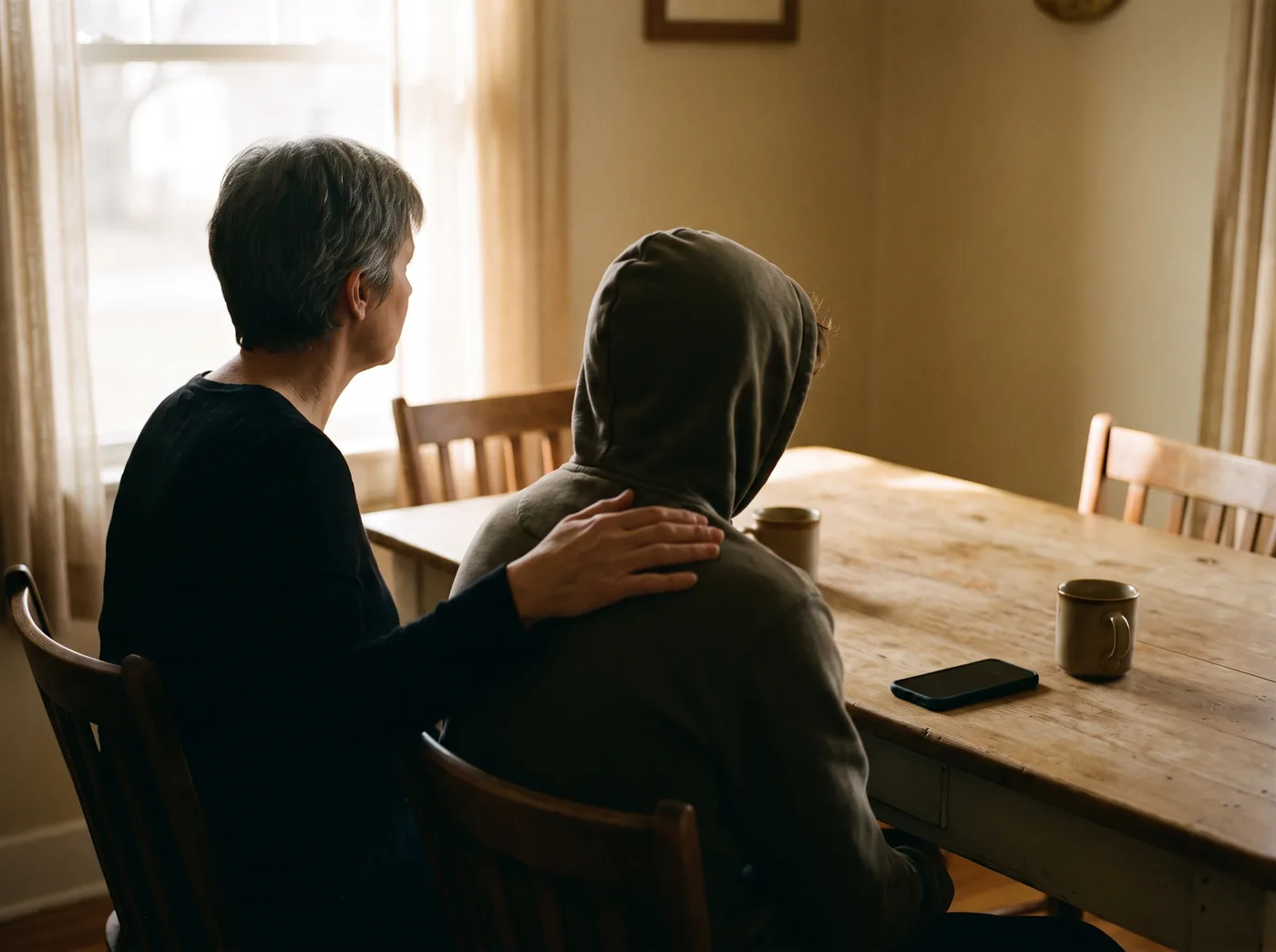
Families who meet these three criteria are the ones lawyers are reviewing right now:
Use began as a minor. The user started using Instagram, Facebook, TikTok, Snapchat, or YouTube before turning 18, and used the platform heavily — often several hours a day.
A diagnosed mental-health injury. A doctor, therapist, or other licensed professional diagnosed depression, an anxiety or panic disorder, an eating disorder (anorexia, bulimia, binge-eating disorder), body dysmorphic disorder, self-harm, or suicidal thoughts or attempts. Families who lost a child to suicide may also have a claim.
Treatment records. Counseling, therapy, medication, an intensive outpatient program, hospitalization, or an emergency room visit related to the diagnosis.
Not sure whether your situation fits? That is exactly what a free case review is for. There is no cost and no obligation.
Find Out If Your Family Qualifies
Free, confidential case review with a Georgia attorney. No fee unless we win. Prefer to talk? Call (770) 834-0345.
Answer five quick questions
An attorney reviews your answers
We call you — usually within a day
A few quick questions
Answer what you can. Nothing here is a final determination — an attorney reviews every submission.
How can we reach you?
Submitting this form does not create an attorney-client relationship. Your information is kept confidential and reviewed only by the legal team.
Why families are suing Instagram, TikTok, Snapchat and YouTube
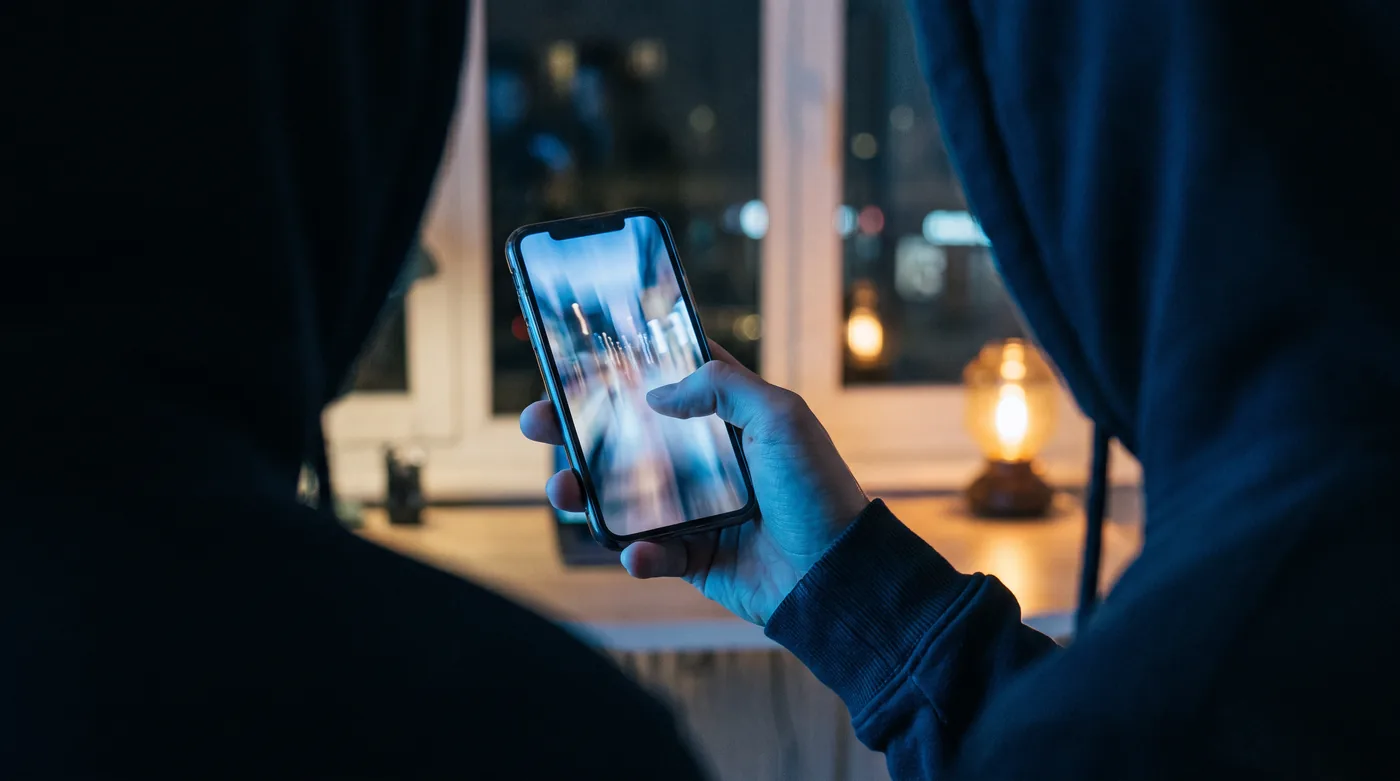
Parents across the country allege that Meta (Instagram and Facebook), ByteDance (TikTok), Snap (Snapchat) and Google (YouTube) designed their platforms with features meant to keep young users scrolling — from autoplay and streaks to “likes” and appearance-altering filters — while knowing from their own internal research that heavy use was harming teenagers’ mental health.
These lawsuits are not about what other people posted. They are product-liability and negligence claims about how the platforms themselves were built and marketed to kids, and about what the companies failed to warn parents about. In November 2023 the federal judge overseeing the litigation ruled that claims based on the platforms’ own design choices — things like inadequate age verification, weak parental controls, and the absence of real screen-time limits — can go forward, and the companies cannot hide behind Section 230 of the Communications Decency Act for those claims.
The U.S. Surgeon General’s 2023 advisory reported that adolescents who spend more than three hours a day on social media face double the risk of depression and anxiety symptoms — and that most U.S. teens use social media daily.
Injuries linked to social media use in these lawsuits
Depression and anxiety
Including major depressive disorder, generalized anxiety disorder, and panic disorder diagnosed during or after heavy use.
Eating disorders
Anorexia nervosa, bulimia nervosa, and binge-eating disorder, often tied to appearance-based feeds and filters.
Body dysmorphic disorder
Obsessive focus on perceived flaws in appearance.
Self-harm
Cutting or other self-injury, including emergency care or hospitalization.
Suicidal ideation or attempts
And wrongful-death claims by families who lost a child.
Related harms
Severe sleep disruption, social withdrawal, and declining school performance are frequently part of these cases, though a mental-health diagnosis is what makes a case viable.
Where the litigation stands
Thousands of lawsuits are consolidated in federal court. Individual and school-district cases from across the country are coordinated in multidistrict litigation (MDL No. 3047) in the Northern District of California, with a parallel group of cases in California state court. More than 3,000 cases — brought by families, school districts and governments — were pending in the federal MDL as of August 2026.
The first jury has ruled against Meta and YouTube. In March 2026, a Los Angeles jury found Meta and Google/YouTube negligent in the first individual trial and awarded $6 million to a young woman who began using the platforms as a child. The companies have appealed. Every case is different, and this verdict does not predict the outcome of any other case.
Snap, TikTok and YouTube have each settled individual cases on confidential terms shortly before trial. Meta has been the most willing to go to trial — and in two later trial cases the plaintiffs dropped their claims against Meta without payment. These cases are hard-fought, and no outcome is guaranteed.
Georgia was part of the states’ case against Meta. On August 26, 2026, Meta agreed to a settlement with attorneys general from Georgia and dozens of other states — reported at up to $17.1 billion over ten years plus new protections for users under 18. That settlement funds state programs; it does not pay anything to individual families and is not expected to affect individual injury claims. Families who want compensation for their own child’s injuries still have to bring their own claim.
What compensation may be available
Every case is different, and no lawyer can promise a result. Claims in this litigation generally seek compensation for:
Medical and mental-health treatment costs
Therapy, psychiatric care, medication, intensive outpatient programs, inpatient treatment, and future care.
Emergency and hospital care
ER visits, psychiatric holds, and treatment of self-inflicted injuries.
Pain, suffering and loss of enjoyment of life
For the child and, where the law allows, the family.
Lost earnings or earning capacity
Where the injury affected education or work.
Wrongful-death damages
Funeral expenses and the loss of a child’s life and companionship.
How a claim works

Free case review.
Call or submit the form. We will ask about the platforms used, when use started, the diagnosis, and treatment. It takes about ten minutes.
Records and evidence.
If the case fits, we help you gather medical and counseling records, school records, and account and screen-time data. Save screenshots and don’t delete accounts.
Your lawsuit is filed.
These are individual lawsuits, not a class action. Your case is filed in your name and coordinated with the others so evidence and expert work are shared.
Resolution.
Cases resolve by settlement or trial. You pay no attorney’s fee unless there is a recovery.
Why the Law Office of John B. Jackson

John B. Jackson
Georgia personal injury attorney · Carrollton & Douglasville
You will deal with an attorney. John gives clients his cell number. You will not be handed off to a call center.
Trial experience. More than a decade focused on injury cases, over $50 million recovered, and a track record of taking cases to trial when insurers and corporations won’t be fair. (Results vary.)
National reach, Georgia roots. Offices in Carrollton and Douglasville. For this litigation we work alongside national co-counsel who are actively litigating social media cases, so your family gets both a local attorney and a team built for this fight.
No fee unless we win. You pay no attorney’s fee unless we recover compensation for you.
Frequently Asked Questions
Is this a class action?
No. Social media addiction cases are individual lawsuits. Many are coordinated in a federal multidistrict litigation (MDL) so that evidence and pretrial rulings are shared, but each family’s case is filed and valued on its own facts. You will not be automatically included in anything — you have to bring your own claim.
My child is now an adult. Can we still file?
Often, yes. What matters most is that heavy use began before age 18 and that a diagnosed mental-health injury followed. Young adults can bring the claim in their own name. Time limits apply, so call promptly.
Does the Meta settlement with Georgia and other states pay my family?
No. The August 2026 settlement resolves claims brought by state attorneys general and funds state programs and product changes. It does not pay individuals, and it is not expected to affect your child’s own injury claim — which still has to be brought separately.
Which platforms are included?
Instagram, Facebook, TikTok, Snapchat and YouTube are the defendants in the current litigation. Heavy use of one platform is enough; most plaintiffs used several.
What if my child was never formally diagnosed?
A diagnosis from a licensed professional is what makes these cases provable. If your child is struggling and hasn’t been evaluated, the first step is to see a doctor or therapist — for their sake first, and because it creates the record a claim needs.
How long do I have to file?
Deadlines depend on where you live and the facts of the case. In Georgia, most personal-injury claims must be filed within two years, but the clock for an injured minor generally does not start until they turn 18. A parent’s own claim, and wrongful-death claims, can have different and shorter deadlines, and other states differ. Don’t rely on a general rule — contact a lawyer as soon as possible so the deadline that applies to your family can be identified.
What does it cost?
Nothing up front. The case review is free, and attorney’s fees are contingent — we are paid a percentage of any recovery, and only if there is one. Case costs (filing fees, records, experts) are usually advanced by the firm and reimbursed from the recovery; your written fee agreement will spell out exactly how costs are handled.
Will I have to go to court?
Most cases resolve without the client testifying at trial, but some go to trial. If yours does, we will be with you every step.
What should I do right now?
If your child is in danger, call or text 988 (Suicide & Crisis Lifeline) or 911. Then: get a professional evaluation, keep every medical and counseling record, screenshot harmful content and messages, and do not delete accounts or devices. Then call us.
Talk to a Georgia attorney today
Free, confidential case review. No fee unless we win.
ATTORNEY ADVERTISING. This page is a paid advertisement for legal services. The Law Office of John B. Jackson, 110 Wagon Yard Plaza, Carrollton, GA 30117, (770) 834-0345, is responsible for its content. John B. Jackson is licensed to practice law in Georgia. Cases outside Georgia, and social media cases generally, may be handled jointly with, or referred to, co-counsel experienced in this litigation; if so, you will be told in writing which lawyers are involved and how fees are divided, and the total fee will not increase because more than one firm is involved. Prior results do not guarantee a similar outcome; every case depends on its own facts. “No fee unless we win” refers only to attorney’s fees. Court costs and other expenses of litigation are usually paid from the recovery, as described in your written fee agreement, and contingent fees are not permitted in all types of cases. This page is not legal advice, and contacting us does not create an attorney-client relationship until a written engagement agreement is signed. This is not a class action; no settlement fund for individual claims has been established and no compensation is guaranteed. This website is not affiliated with any government agency, court, or social media company. Eligibility is determined only after an attorney reviews your individual circumstances. Time limits apply and vary by state. If you or someone you know is in crisis, call or text 988.